Building a DIY wood fired pizza oven is an exciting project that promises delicious homemade pizzas. However, many enthusiasts stumble upon common pitfalls that can turn their culinary dreams into a frustrating experience. This article highlights crucial mistakes to avoid, ensuring your pizza oven is not only functional but also a source of joy for years to come.
Key Takeaways
- Thorough Planning is Essential: Comprehensive planning, including detailed designs and space assessments, is crucial for building a successful wood-fired pizza oven.
- Invest in Quality Materials: Using high-quality firebricks and heat-resistant mortar enhances the oven’s durability, performance, and safety.
- Prioritise Proper Ventilation: Adequate chimney and ventilation are vital to avoid smoke buildup, ensuring efficient combustion and a pleasant cooking atmosphere.
- Ensure a Level and Stable Base: Building a solid, even foundation prevents structural issues and promotes consistent heat distribution during cooking.
- Focus on Insulation: Proper insulation materials are key to retaining heat, leading to better cooking efficiency and reducing the risk of cracks.
- Implement Safety Measures: Always use protective gear and choose a safe location, ensuring compliance with fire safety protocols during construction and operation.
Understanding DIY Wood-Fired Pizza Ovens
DIY wood-fired pizza ovens consist of several key components that contribute to their effectiveness and efficiency. These components include the oven dome, base, chimney, and hearth. Each element plays a crucial role in heat retention and distribution, essential for cooking pizzas evenly.
Selecting the right materials is vital. Firebricks, for instance, are preferred for their ability to withstand high temperatures. The oven dome typically requires insulation to maintain optimal heat levels during cooking. Additionally, mortar used in construction must resist heat to ensure durability.
Proper oven placement enhances functionality. Locating the oven in a well-ventilated area is important, as it allows smoke to escape and provides a comfortable cooking environment. Avoid placing the oven too close to flammable structures, which can pose safety risks.
Creating a solid foundation is also necessary. A stable and level base prevents cracking and uneven heating. Most builders opt for reinforced concrete to support the oven’s weight and ensure longevity.
Emphasising the importance of accurate measurement during construction helps prevent errors. Each component must fit seamlessly to maintain structural integrity. Those who neglect this step often encounter issues with heat loss or compromised durability.
Understanding the necessity of seasoning the oven is crucial for optimal performance. Heaters require time to cure, allowing materials to bond effectively. Following the recommended curing process ensures that the oven is ready for use and minimises the risk of cracking.
Common Mistakes to Avoid

Avoiding common mistakes during the construction of a DIY wood-fired pizza oven enhances both functionality and longevity. Here are key pitfalls to recognise:
Inadequate Planning
Planning serves as the foundation for any successful DIY project. Many enthusiasts underestimate the complexity involved in building a pizza oven, leading to insufficient designs. Comprehensive planning includes drafting precise dimensions and a clear timeline. Failure to assess space limitations often results in complications during construction. Heeding local regulations for outdoor ovens is also crucial, as non-compliance can lead to fines.
Using Poor Quality Materials
Material quality directly impacts the oven’s performance and durability. Using substandard bricks or mortar may lead to structural weakness, resulting in cracks or heat loss. Firebricks, specifically designed to withstand high temperatures, are essential for the oven’s interior. Likewise, heat-resistant mortar ensures the components adhere properly under extreme heat. Investing in quality materials pays off in terms of safety and long-term functionality.
Ignoring Ventilation
Proper ventilation is vital for optimal performance. Neglecting to incorporate an effective chimney can cause smoke buildup, diminishing the cooking experience. Sufficient airflow encourages complete combustion of the wood, enhancing flavour and cooking efficiency. Positioning the oven in a well-ventilated area further promotes safety and functionality. Ensuring adequate ventilation reduces smoke exposure and improves the overall enjoyment of wood-fired cooking.
Construction Errors
Common construction errors can significantly impact the performance and longevity of a DIY wood-fired pizza oven. Addressing these issues early ensures a more efficient and enjoyable cooking experience.
Uneven Base
An uneven base leads to multiple complications. It can cause structural instability, resulting in cracks or warping of the oven. Additionally, an unlevel surface affects heat distribution, making cooking inconsistent. Ensuring the base is level and solid is crucial. Using a spirit level during construction helps identify and rectify any irregularities. Opting for a reinforced concrete slab offers the necessary support for the oven’s weight.
Poor Insulation
Poor insulation creates challenges in maintaining consistent temperatures within the oven. Without adequate insulation, heat escapes quickly, leading to longer cooking times and uneven baking. High-quality insulation material, such as ceramic fibre blanket or vermiculite, should be used around the oven dome and hearth. Proper insulation ensures that the oven retains heat effectively, providing a steady cooking environment and enhancing overall performance. Additionally, insulating the base protects against heat loss and improves efficiency, making it essential for optimal function.
Overlooking Safety Measures
Overlooking safety measures poses significant risks during the construction of a DIY wood-fired pizza oven. Proper precautions ensure a safe environment for both the builder and eventual users of the oven.
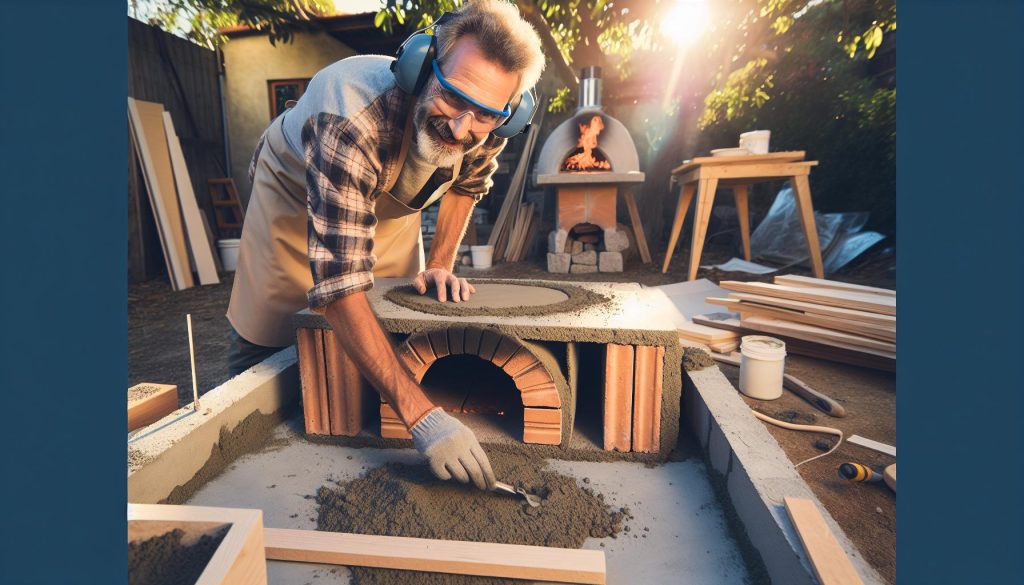
- Using Protective Gear: Wearing appropriate protective gear, including gloves, goggles, and masks, reduces the risk of injury from sharp tools and harmful materials. It is crucial to protect hands, eyes, and respiratory health throughout the project.
- Selecting a Suitable Location: Choosing a location that is at least 10 feet away from flammable structures enhances safety. Avoiding tight spaces where heat can accumulate prevents fire hazards.
- Implementing Fire Safety Protocols: Having a fire extinguisher on hand provides immediate response options in case of accidental fire. Familiarising oneself with local fire regulations ensures compliance.
- Ensuring Proper Ventilation: Ensuring adequate ventilation, both during construction and operation, prevents the buildup of harmful fumes. Positioning the oven in a well-ventilated area allows for safe air circulation.
- Constructing a Stable Base: Building a stable and level base helps prevent accidental tipping or shifting of the oven. Using sturdy materials that support the weight of the oven is essential for long-term stability.
- Managing Heat Sources: Keeping a safe distance from heat sources reduces the risk of burns or fires. Using heat-resistant materials for surrounding structures ensures safety during operation.
Implementing these safety measures not only protects individuals during construction but also ensures the oven operates safely and efficiently for years to come.
Conclusion
Building a DIY wood-fired pizza oven can be a rewarding project when approached with care. Avoiding common mistakes ensures not only the oven’s longevity but also enhances the cooking experience. Prioritising high-quality materials and proper planning lays the groundwork for success.
Attention to detail during construction is crucial for achieving optimal heat retention and distribution. By following safety protocols and ensuring proper ventilation, enthusiasts can enjoy delicious homemade pizzas in a safe environment. With the right knowledge and preparation, anyone can create a functional and enjoyable wood-fired pizza oven that stands the test of time.
Frequently Asked Questions
What materials do I need for building a DIY wood-fired pizza oven?
To build a DIY wood-fired pizza oven, you will need firebricks, heat-resistant mortar, insulation materials (like ceramic fibre blankets), and components such as a dome, base, chimney, and hearth. Selecting high-quality materials is crucial for durability and performance.
How do I ensure a solid foundation for my pizza oven?
A solid foundation is essential for your oven’s stability. Use a level to measure and construct a reinforced concrete slab that is stable and even. This prevents cracking and structural instability, ensuring a safe cooking environment.
What common mistakes should I avoid during construction?
Avoid inadequate planning, using substandard materials, and failing to ensure proper ventilation. Additionally, ensure your base is level and measure accurately to prevent heat loss and structural issues.
How do I season my wood-fired pizza oven?
Seasoning your oven involves curing the materials used in its construction. Light small fires inside the oven for several hours over a few days to allow the materials to bond and dry out. This step prepares the oven for optimal cooking performance.
Why is proper ventilation important for my pizza oven?
Proper ventilation allows for effective airflow and eliminates harmful fume buildup during cooking. A well-placed chimney enhances heat distribution and ensures safety while improving cooking performance.
What safety measures should I take when building my oven?
Wear protective gear, such as gloves, goggles, and masks. Choose a location away from flammable materials, have a fire extinguisher handy, and ensure proper ventilation to prevent fume accumulation. These safety measures protect you during construction and operation.
Can I build my pizza oven indoors?
Building a wood-fired pizza oven indoors is not recommended due to safety concerns. The risk of fire, harmful fume buildup, and lack of ventilation make it safer to construct and use the oven outdoors in a well-ventilated space.
How long does it take to build a DIY pizza oven?
The time required to build a DIY pizza oven can vary based on experience and complexity, but generally, it takes a few days to a week. This includes time for planning, gathering materials, constructing the oven, and allowing for seasoning.
What is the healthiest way to cook pizza in a wood-fired oven?
Using fresh, quality ingredients and controlling the cooking temperature helps create healthier pizzas. The high heat of wood-fired ovens cooks pizza quickly, retaining moisture and flavour while using less cheese and processed toppings.