
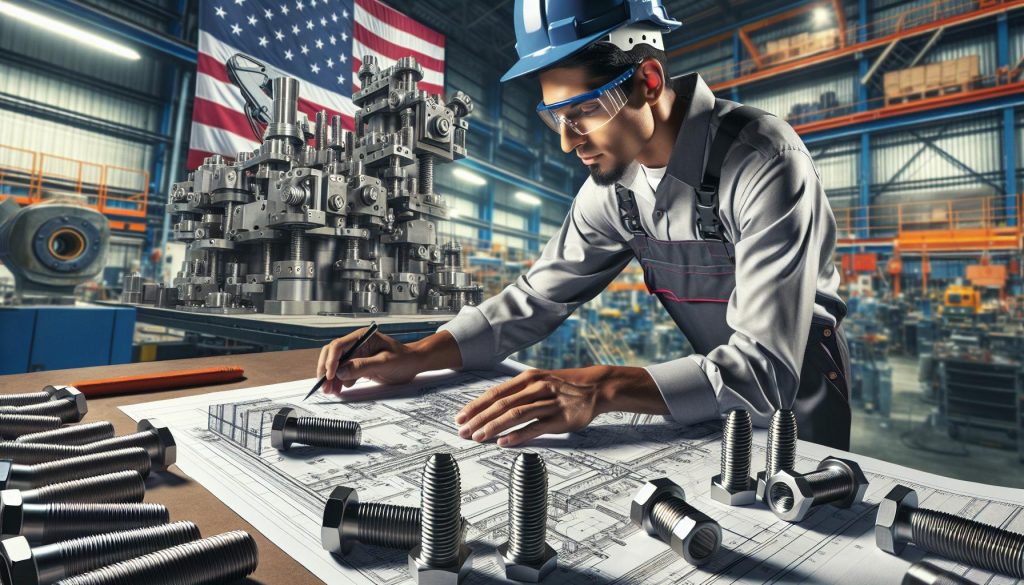
Choosing the right custom bolt manufacturer can significantly impact the quality and durability of a project. With numerous options available, understanding key factors like materials, production capabilities, and industry experience is crucial. This article will guide readers through essential considerations to ensure they select a manufacturer that meets their specific needs and standards.
Understanding Custom Bolt Manufacturing
Custom bolt manufacturing involves producing bolts tailored to specific project requirements. These bolts serve various industries, including automotive, aerospace, and construction, where precision and strength are crucial.
Key Manufacturing Processes
- Forging: This process shapes metal using compressive forces. It enhances the strength and durability of bolts, making them suitable for high-stress environments.
- Machining: Machining involves cutting and shaping material to create bolts with precise dimensions. This technique allows for tighter tolerances in bolt specifications.
- Cold Heading: In this process, metal wire undergoes deformation to form the head of the bolt without heating. This method speeds up production while maintaining material integrity.
Material Selection
Material choice impacts both performance and compatibility. Common materials include:
- Steel: Offers strength and versatility, frequently used in construction applications.
- Stainless Steel: Resists corrosion, ideal for environments exposed to moisture.
- Alloys: Specific alloy compositions improve properties such as hardness or heat resistance.
Quality Control Standards
Quality assurance ensures that custom bolts meet industry standards. Manufacturers should implement rigorous testing methods, including:
- Tensile Testing: Measures how much force a bolt can withstand before breaking.
- Hardness Testing: Assesses the material’s resistance to deformation.
- Dimensional Inspection: Confirms that bolt specifications align with project requirements.
Capacity and Capabilities
Understanding a manufacturer’s production capacity and capabilities is vital. Look for:
- Production Volume: Assess the manufacturer’s ability to handle large orders or quick-turnaround projects.
- Customization Options: Evaluate the range of sizes, finishes, and coatings available.
- Technical Support: Determine if the manufacturer offers engineering assistance during the design and selection process.
By comprehending custom bolt manufacturing processes, material selection, quality control, and production capabilities, individuals can make informed decisions when choosing the right manufacturer for their specific needs.
Key Factors to Consider

Selecting the right custom bolt manufacturer hinges on several critical factors that directly impact project outcomes.
Quality of Materials
Quality materials determine the performance and longevity of custom bolts. Manufacturers often use common materials like steel, stainless steel, and titanium, each with unique properties. Steel, known for its strength, is ideal for high-stress applications. Stainless steel offers corrosion resistance, making it suitable for harsh environments. Manufacturers should provide detailed material specifications, including grades and certifications, to ensure they meet project requirements.
Production Capabilities
Understanding a manufacturer’s production capabilities is essential. Key aspects include production volume, machining techniques, and customization options. High-volume production is vital for large-scale projects, while smaller runs may require flexibility in design adjustments. Machining techniques like forging and cold heading improve bolt strength and precision. Manufacturers should also offer supports such as rapid prototyping and design consultations to optimize production efficiency.
Industry Experience
Industry experience significantly influences a manufacturer’s reliability and expertise. Manufacturers with extensive experience in specific sectors, such as automotive or aerospace, bring invaluable insights into best practices and regulatory compliance. Evaluating a manufacturer’s portfolio, including previous projects and client testimonials, helps gauge their competency and ability to meet unique specifications. Familiarity with industry standards ensures compliance and quality assurance throughout the manufacturing process.
Evaluating Potential Manufacturers
Evaluating potential custom bolt manufacturers requires careful consideration of several key factors. This assessment ensures alignment with specific project requirements and material standards.
Certifications and Compliance
Reviewing certifications and compliance is essential when assessing manufacturers. Manufacturers should hold relevant industry certifications such as ISO 9001, API, or ASTM. These certifications indicate adherence to quality management systems and rigorous material standards. Check for compliance with regulations like RoHS or REACH if manufacturing in the European Union. Verification of these certifications helps confirm the manufacturer’s commitment to quality and safety, essential for maintaining performance and integrity in custom bolt applications.
Customer Reviews and Testimonials
Examining customer reviews and testimonials provides insight into a manufacturer’s reliability and product quality. Look for feedback on websites, industry forums, and social media platforms. Positive reviews often highlight aspects such as timely delivery, responsive customer service, and product durability. Reach out to previous clients when possible to obtain firsthand accounts of their experiences. This direct feedback can offer critical perspective on a manufacturer’s ability to meet expectations and specifications, aiding in the decision-making process.
Making the Final Decision
Choosing a custom bolt manufacturer involves careful consideration of several key factors. Making informed decisions ensures that the selected manufacturer meets the specific requirements of the project.
Cost Considerations
Cost is a significant factor in selecting a custom bolt manufacturer. Manufacturers typically provide quotes based on material, production processes, and volume. It’s essential to compare quotes from multiple manufacturers to find competitive pricing. However, lower costs often correlate with compromised quality. Evaluating the overall value includes assessing the quality of materials, production capabilities, and delivery timelines. Budget constraints matter, but understanding the total cost of ownership aids in making financially sound choices.
Communication and Support
Effective communication is vital throughout the manufacturing process. Manufacturers should provide clear points of contact and responsive customer support. Engaging manufacturers in discussions about project specifications and timelines promotes transparency. Assessing their willingness to address questions or concerns reflects their commitment to customer service. Reliable support contributes to smooth project execution and timely resolution of potential issues, ensuring that all aspects align with project goals.
Conclusion
Choosing the right custom bolt manufacturer is pivotal for project success. By carefully considering factors like material quality production capabilities and industry experience a solid foundation is established for durability and performance.
It’s essential to prioritize manufacturers who demonstrate a commitment to quality through certifications and robust quality control measures. This diligence ensures that the bolts not only meet specifications but also stand the test of time.
Ultimately effective communication and a thorough evaluation of potential partners can lead to a successful collaboration. This approach not only streamlines the manufacturing process but also helps achieve the desired outcomes for any project.
Frequently Asked Questions
What should I consider when selecting a custom bolt manufacturer?
When choosing a custom bolt manufacturer, consider key factors such as materials used, production capabilities, industry experience, and quality control measures. These elements significantly impact the quality and durability of the bolts. Additionally, ensure that the manufacturer can meet your specific project requirements and standards.
Why is material selection important in custom bolt manufacturing?
Material selection is crucial in custom bolt manufacturing because it affects the performance, durability, and compatibility of the bolts. Common materials like steel, stainless steel, and titanium each have unique properties. Quality materials ensure that the bolts meet the demands of your specific application and project.
What manufacturing processes are involved in producing custom bolts?
Custom bolts are produced using several manufacturing processes, including forging, machining, and cold heading. Each method contributes to the strength and precision of the bolts, making it essential to understand which processes a manufacturer employs to meet your project needs.
How can I evaluate a custom bolt manufacturer’s production capabilities?
To assess a manufacturer’s production capabilities, consider their production volume, machining techniques, and available customization options. Look for examples of past work to understand their flexibility and ability to handle both large and small-scale projects effectively.
What role does quality control play in custom bolt manufacturing?
Quality control is vital in custom bolt manufacturing to ensure compliance with industry standards. This includes testing methods such as tensile strength, hardness testing, and dimensional inspections. A manufacturer with strict quality control processes contributes to reliable and durable fasteners.
Why is industry experience important for a custom bolt manufacturer?
Industry experience matters because manufacturers with extensive expertise bring valuable insights and best practices. They are often well-versed in regulatory compliance and can better address your project requirements, ultimately leading to higher quality products and services.
How do I verify a manufacturer’s certifications?
You can verify a manufacturer’s certifications by requesting documentation that confirms compliance with industry standards such as ISO 9001, API, or ASTM. Additionally, reviewing customer testimonials can provide further insight into their reliability and commitment to quality.
How should I balance cost and quality when choosing a manufacturer?
When comparing quotes from custom bolt manufacturers, it’s important to balance cost with quality. While lower prices may be tempting, they can often compromise material integrity. Evaluate the overall value, factoring in quality, service, and delivery timelines alongside pricing.
What is the importance of communication during the manufacturing process?
Effective communication is crucial throughout the manufacturing process to ensure alignment with your project needs. Having clear points of contact and responsive customer support helps address any issues promptly, keeping your project on track and reducing potential delays.