
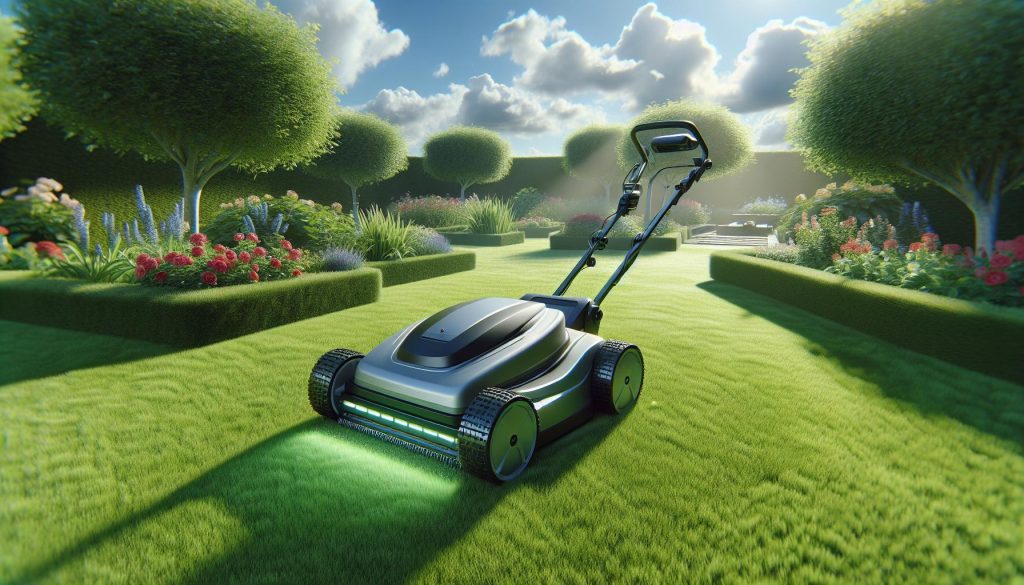
Robotic lawn mowers like the Mowrator S1 are revolutionizing lawn care with cutting-edge technology and user-friendly features. However, maximizing their performance depends heavily on using them in the right weather conditions. This article explores the ideal scenarios for deploying your robotic mower, helping you maintain a pristine lawn while ensuring the machine’s longevity.
What Are the Best Weather Conditions for Using a Robotic Lawn Mower?
Robotic lawn mowers operate best under specific weather conditions. These conditions ensure optimal performance while minimizing wear and tear on the machine.
Optimal Conditions
- Dry Conditions: Robotic lawn mowers perform most efficiently on dry lawns. Wet grass can lead to clogging, hinder cutting ability, and cause damage to the mower’s blades.
- Mild Temperatures: Temperatures between 50°F and 85°F improve battery efficiency and cutting performance. Extreme heat or cold affects battery longevity and motor function.
- Low Wind Speeds: Wind speeds below 10 mph reduce the risk of debris interfering with the mower’s path. High winds can cause branches or leaves to disrupt mowing patterns.
Avoidable Conditions
- Heavy Rain: Avoid using robotic mowers during heavy rain. Excess moisture can lead to slippery surfaces, affecting traction and safety.
- Snow or Frost: Snow and frost create hazardous conditions. Robotic mowers cannot operate on icy surfaces and may malfunction in snowy conditions.
- Extreme Heat: High temperatures above 90°F stress the motor and battery. If heat alerts are in place, defer mowing to cooler times of the day.
Monitoring Forecasts
Check local weather forecasts before scheduling lawn care activities. Forecasts can guide users towards the best days and times for efficient mowing, ensuring equipment longevity and optimal yard appearance.
By adhering to these weather guidelines, users can maximize the effectiveness of robotic lawn mowers, leading to a healthier lawn and extended machine lifespan.
Optimal Temperature Ranges

Ideal temperature ranges significantly influence the performance of robotic lawn mowers. Temperatures between 50°F and 85°F offer optimal working conditions, ensuring efficient grass cutting while minimizing machine stress.
Cool Weather Advantages
Cool weather enhances the efficiency of robotic lawn mowers. Temperatures below 50°F can slow down grass growth, allowing mowers to operate less frequently. Mowing during cooler temperatures reduces stress on the machine, minimizing potential wear and tear. Additionally, the lower ground moisture levels in cooler temperatures prevent slippery conditions and reduce the chance of turf damage.
Warm Weather Benefits
Warm weather supports healthy grass growth and allows robotic mowers to operate frequently. Temperatures above 70°F promote robust growth, resulting in a well-manicured lawn. Operating in this range often leads to better cutting performance due to drier grass. However, functioning at temperatures close to 85°F requires vigilance. Excessive warmth can cause the mower’s battery to deplete faster, so monitoring usage during hotter periods is advisable.
Rain and Moisture Considerations
Moisture levels can significantly affect the performance of robotic lawn mowers. Understanding how light and heavy rain impact operations aids in optimizing their use.
Impact of Light Rain
Light rain presents minimal challenges for robotic lawn mowers. Most models feature waterproofing that prevents internal damage. Operating during light rain can aid in maintaining grass health by ensuring a consistent cutting schedule. Grass remains pliable, allowing for even cuts. However, if the ground becomes overly saturated, mowers might struggle to maneuver.
Effects of Heavy Rain
Heavy rain poses risks for robotic lawn mowers. Saturated grass creates difficult operating conditions, leading to potential wheel slippage or damage. Excess moisture promotes mud accumulation, which can hinder mower performance. Additionally, electric components may be susceptible to moisture-related issues. It’s advisable to avoid operating robotic mowers during heavy rain, as it may lead to decreased functionality and increased maintenance needs.
Wind Conditions and Their Effects
Wind conditions significantly impact the operation of robotic lawn mowers. Understanding these effects helps ensure effective lawn care and equipment longevity.
Gentle Breezes
Gentle breezes pose minimal challenges for robotic lawn mowers. These light winds, typically below 10 mph, create favorable operating conditions. Mowers can navigate efficiently without the risk of losing stability or traction. Gentle winds also assist in drying wet grass after light rain, allowing for timely mowing. Optimal grass cutting occurs under these favorable conditions, ensuring a healthier lawn and reducing additional wear on mowers.
Strong Winds and Safety
Strong winds, exceeding 10 mph, present risks for robotic lawn mowers. Higher wind speeds can cause instability, leading to difficulties in navigation and increased chances of tipping. Safety concerns arise, as strong gusts may lead to unpredictable mower paths and potential collisions with obstacles. It is advisable to refrain from mowing during windy conditions to protect equipment and maintain effective lawn care. Checking local forecasts helps schedule mowing activities for when wind conditions are favorable.
Humidity Levels and Lawn Care
Humidity plays a crucial role in the effectiveness of robotic lawn mowers. Understanding its impact helps users optimize mowing schedules for healthy lawns.
Low Humidity Impact
Low humidity conditions (below 30%) generally promote efficient mowing. Less moisture in the air results in drier grass, allowing robotic mowers to navigate smoothly. Optimal cutting occurs since the grass blades remain firm, reducing the chances of clogging the mower’s cutting deck. Lower humidity also limits fungal growth, which can benefit lawn health. However, excessively dry conditions can stress grass, leading to browning if mowed too frequently. Therefore, monitoring moisture levels ensures balanced mowing without damaging the turf.
High Humidity Challenges
High humidity (above 60%) presents several challenges for robotic lawn mowers. Excess moisture can result in slippery grass, increasing the risk of wheel slippage and traction issues. Mowers may struggle to maintain cutting efficiency as wet grass can clump and accumulate, leading to potential mechanical issues or decreased performance. Additionally, high humidity encourages fungal growth, creating conditions that can lead to lawn disease if the mower frequently operates in these environments. Users should be cautious and consider delaying mowing until humidity levels decrease to ensure both mower functionality and lawn health.
Seasonal Variations
Understanding seasonal variations is essential for optimizing the performance of robotic lawn mowers. Each season presents unique weather conditions that influence mowing frequency and technique.
Spring and Fall Conditions
Spring and fall offer ideal weather for robotic lawn mowers. Temperatures generally range from 50°F to 70°F, promoting healthy grass growth. In spring, many types of grass begin to thrive, increasing the need for regular mowing. The soft, moist soil allows mowers to operate without damaging turf. In the fall, cooler temperatures slow growth, making mowing less frequent but still necessary for maintaining a tidy appearance. Additionally, these seasons typically feature lower humidity levels, reducing clumping and enhancing cutting efficiency.
Summer and Winter Adaptations
Summer poses challenges with high temperatures exceeding 85°F. While continued grass growth is present, the risk of overheating and diminished battery performance increases. To adapt, users should schedule mowing early in the morning or late in the evening when conditions are cooler. If temperatures exceed 90°F, delays in mowing are advisable to protect the mower and grass health.
In winter, conditions vary widely. While cold weather can slow growth, robotic mowers may struggle with snow and frost. Ice accumulation can impair navigation, making it difficult for mowers to function efficiently. Users should consider ceasing operation during prolonged snow events and address any debris before resuming mowing once conditions improve. Monitoring weather changes ensures effective lawn maintenance year-round.
Conclusion
Understanding the best weather conditions for using a robotic lawn mower is crucial for maintaining a healthy lawn and ensuring the longevity of the machine. Optimal performance thrives in dry conditions with mild temperatures and low wind speeds. By avoiding extremes such as heavy rain or excessive heat, users can prevent potential damage and improve mowing efficiency.
Regularly checking weather forecasts and adjusting mowing schedules accordingly can lead to a well-maintained yard and a happier robotic mower. Embracing these insights allows for a seamless lawn care experience, maximizing the benefits of this innovative technology.
Frequently Asked Questions
What weather conditions are best for robotic lawn mowers?
Robotic lawn mowers perform optimally in dry conditions, mild temperatures between 50°F and 85°F, and low wind speeds below 10 mph. These conditions enhance cutting efficiency and reduce wear on the equipment.
Can I use a robotic lawn mower during heavy rain?
No, it’s not advisable to operate robotic lawn mowers during heavy rain. Excess moisture can lead to wheel slippage, mud accumulation, and potential damage to electrical components.
What temperatures are ideal for using robotic lawn mowers?
The ideal temperature range for using robotic lawn mowers is between 50°F and 85°F. This range supports healthy grass growth while minimizing stress on the machine.
How does humidity affect lawn mower performance?
Low humidity (below 30%) promotes efficient mowing by allowing drier grass, while high humidity (above 60%) can make grass slippery and lead to traction issues, affecting performance.
When is the best time of year to use robotic lawn mowers?
Spring and fall are the best seasons for using robotic lawn mowers. These periods feature optimal temperatures and lower humidity, promoting healthy grass growth and efficient mowing.
What temperature is too hot for robotic lawn mowers?
Robotic lawn mowers should not be used when temperatures exceed 90°F. High temperatures can lead to overheating and reduced battery performance.
Can I mow my lawn in winter with robotic mowers?
It’s not recommended to use robotic lawn mowers in winter, especially during snow and frost conditions. These can impede performance and damage the equipment.
How do wind conditions impact robotic lawn mower operations?
Gentle winds (below 10 mph) are ideal for mowing as they assist navigation and drying wet grass. Winds exceeding 10 mph can cause instability and safety concerns, making mowing unsafe.